

Can We Trust AI With Our Data?
This piece looks at a question that is becoming more important than ever: not how powerful AI is, but whether it can be trusted. As AI tools become part of how we work, write, and think, we are also sharing more of our data, often without fully realizing it. The article explores what is really happening behind the scenes when we use AI, and why privacy is not just a setting, but part of how these systems are built. It looks at the tradeoff between convenience and control, and how much information we give away every time we interact with these tools.
CCeli
4/1/20262 min read
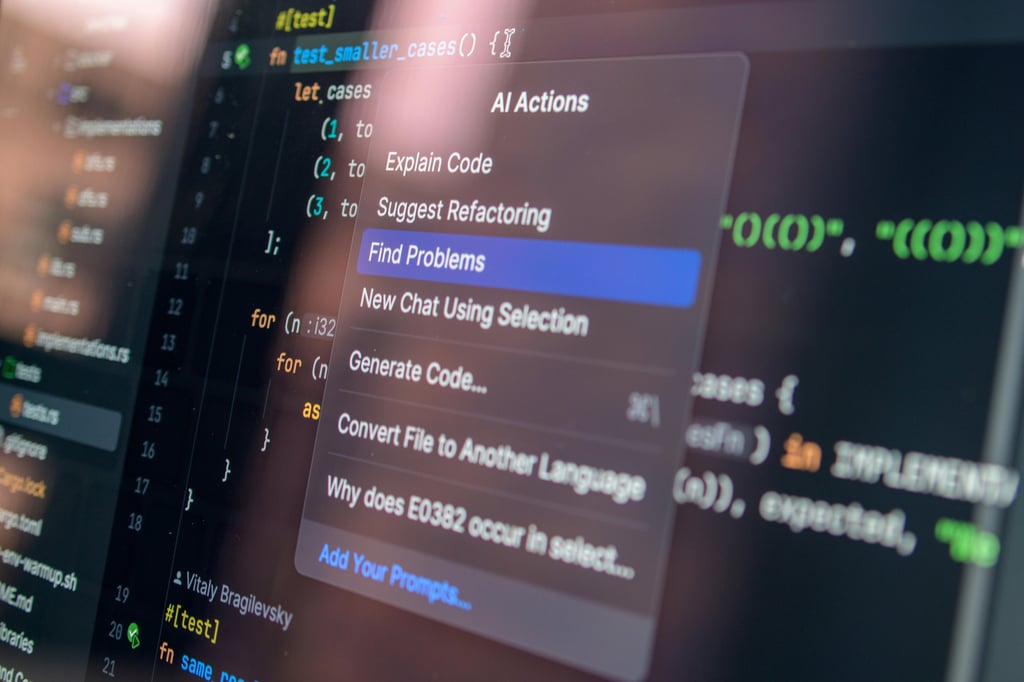
The growing integration of artificial intelligence (AI) into our daily lives raises critical questions about trust and privacy. While AI tools offer unprecedented convenience, they also need a critical examination of how our data is collected, managed, and protected. This article explores the complexity of trusting AI systems, focusing not just on their capabilities, but more importantly, on the implications of data sharing inherent in their operation.
The Hidden Mechanisms of AI
Understanding AI also means understanding what happens to the information we provide when we use it. Generative AI systems are trained on enormous datasets, but how they handle new user interactions varies significantly by provider, product and account settings.
Some consumer AI services may use conversations or other activity to improve their systems, while others allow users to opt out. Business and enterprise products may operate under different data policies altogether. This means the privacy question is more complicated than whether AI “collects our data.” The more useful questions are: What information is being retained? For how long? Can humans review it? Is it used to improve models? Are we aware of it, and how do data-sharing permissions work? And what controls does the user actually have?.
Privacy: A Fundamental Right or a Securable Setting?
Privacy is often perceived as just a setting we can toggle on or off. However, in the context of AI, it is an intrinsic factor deeply embedded within the architecture of these systems. Many AI services process and retain some user data to provide, secure or improve their services, although what is collected and how it is used varies significantly across platforms and account types. The tradeoff seems straightforward: we exchange personal information for enhanced convenience. Yet, this prompts a deeper inquiry. How much control do we truly retain over our data? Moreover, are we fully aware of the compromises being made in our quest for ease? The balance between convenience and control remains a pressing issue as AI integrations become more commonplace.
The Dilemma of Data Sharing
Each interaction with AI tools involves a conscious or unconscious decision to share data. What matters is understanding the implications of that choice. As data breaches and cyber threats continue to rise, the stakes of our digital interactions are higher than ever. While AI offers clear benefits in productivity and creativity, it is worth asking whether that convenience comes at the cost of losing control over our personal information. What exactly are we trading for efficiency, and can we truly hold these systems accountable for how they handle our data?
If you want a better understanding of which tools protect your data more effectively, you might be surprised. I will not give everything away here, but I recommend exploring the insights shared by cybersecurity expert María Aperador, who breaks down which AI tools offer stronger data protection and why. Her analysis challenges common assumptions and highlights options that prioritize user privacy. ChatGPT, along with privacy-focused tools like DuckDuckGo, may not be what you expect.
Conclusion
As AI continues to evolve, trust and privacy will become central to how we use these technologies. Access to information is no longer the problem; using it wisely is. Staying informed about how AI tools operate and how they use personal data is essential. As we navigate this increasingly complex digital landscape, recognizing the trade-off between convenience and control will be key to shaping a future where AI can be trusted.
Updates
Get your tech and AI news summarized in minutes.
Alerts
© 2025. All rights reserved.